Dependable Team of Denver Concrete Contractor
Selecting the Best Concrete Contractor: Essential Qualities to Consider
Selecting a concrete contractor demands careful consideration of multiple key characteristics. Expertise and focus serve critical functions in determining a contractor's proficiency. Furthermore, their certifications, standing, and interpersonal skills can greatly impact the success of the project. Understanding pricing structures and safety protocols is just as critical. As the work progresses, the contractor's punctuality and dependability will further define the relationship. What key characteristics should one emphasize to secure a productive partnership?
Important Experience Factors in a Concrete Contractor
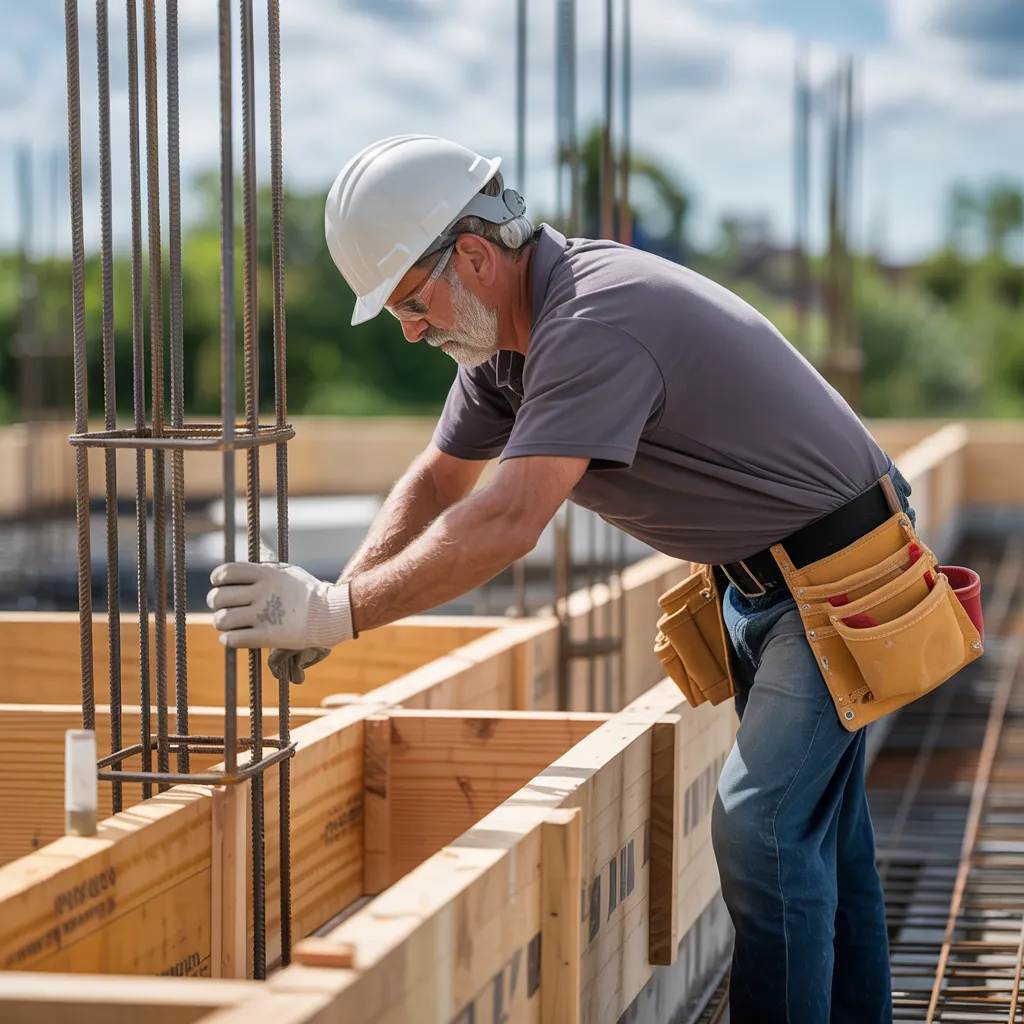
When selecting a concrete specialist, what key experience factors should be considered? A professional's years of experience in the industry can indicate their level of expertise and reliability. Contractors with an extensive background frequently have the abilities needed to handle typical obstacles successfully. Additionally, specialization in particular types of concrete work, such as decorative finishes or structural foundations, can check article be essential depending on the project requirements.
Certifications and licenses further enhance a contractor's reputation, demonstrating compliance with industry standards. The quality of prior projects serves as a tangible measure of capability; evaluating a portfolio provides insight into craftsmanship and thoroughness. Furthermore, the contractor's understanding of local codes and regulations secures conformity with legal standards, minimizing potential issues during construction. Collectively, these experiential elements offer a comprehensive insight into a contractor's capacity to complete quality projects punctually and within financial limits.
How to Measure a Contractor's Reputation and Reviews
Reputation serves as an essential measure of a concrete contractor's overall reliability and quality of work. To effectively assess this track record, potential clients should begin by exploring online reviews on platforms such as Google, Yelp, and specialized construction websites. These reviews often reflect past customers' experiences and can highlight both strengths and weaknesses.
In addition, asking for referrals from trusted friends, family, or nearby professionals can offer helpful guidance. Having candid discussions with past clients can also uncover key details regarding the contractor's overall communication style, scheduling reliability, and financial accountability.
Additionally, checking the contractor's social media accounts may yield a insight into their ongoing projects and customer engagements. A reputable contractor generally showcases completed work and interacts constructively with their audience. Overall, thorough examination of a contractor's standing and feedback is crucial in arriving at a sound judgment, ensuring quality outcomes for concrete construction projects.
Do Your Contractors Possess the Necessary Certifications and Licenses?
When hiring a concrete contractor, checking their certifications and licenses is crucial. These certifications confirm conformity with local regulations and industry standards. A contractor without the required qualifications may jeopardize the project's integrity and safety.
Valid Credentials Required
How can homeowners guarantee that their concrete contractors are fully qualified? A key factor to consider is whether the contractor holds valid certifications. Established contractors frequently hold certifications from well-known industry bodies, indicating they have completed the necessary training and adhere to established standards. These credentials often encompass safety protocols, quality assurance practices, and specialized concrete skills. Moreover, checking for proper licensing is equally important; a licensed contractor demonstrates compliance with local regulations and industry norms. Homeowners should request proof of both certifications and licenses before hiring a contractor to guarantee a high level of professionalism and expertise. Taking these precautions not only builds confidence but also reduces the likelihood of poor workmanship or safety infractions.
Local Regulatory Licensing Guidelines
Property owners must also evaluate local licensing regulations to guarantee their concrete contractors meet all necessary legal requirements. Each state and local jurisdiction may establish specific licensing standards that contractors need to satisfy in order to legally conduct business. Confirming that a contractor holds the proper licenses validates adherence to local codes and regulations, which can affect the quality and safety of the completed work. Moreover, contractors with proper licenses are generally required to hold liability insurance and workers' compensation, offering further protection to homeowners. It is advisable for homeowners to request proof of licensing and to check with local authorities or regulatory bodies to validate the contractor's credentials. This careful attention can avert potential legal problems and facilitate a more seamless construction experience.
The Value of Clear Communication Within Your Project
Effective communication is vital for the achievement of any construction project. It builds a base of confidence and ensures that all involved parties are on the same page on expectations, timelines, and project specifications. A contractor who values open communication can clearly explain the project details, resolving issues and delivering updates during the project. This clarity decreases miscommunication and promotes cooperation between the client and the contractor.
Additionally, clear communication enables prompt problem-solving, which can be important when unforeseen obstacles emerge. Whether addressing material selections, design changes, or schedule disputes, a contractor who communicates well will ensure the project stays on schedule and within budget. Homeowners should seek contractors who listen attentively and reply quickly to questions. In the end, open communication not only elevates the project journey but also helps produce an exceptional result that fulfills the client's vision and requirements.
Reviewing Contractor Pricing and Estimates
When evaluating contractor bids and pricing, it is essential to contemplate not only the numbers but also the underlying value. A comprehensive analysis involves analyzing multiple quotes to identify any discrepancies in pricing and project scope. It is critical to ensure that estimates are thorough, outlining materials, labor, and additional expenses. This transparency builds confidence and enables well-informed decisions.
Property owners should be cautious of significantly low bids, as they may indicate subpar materials or workmanship. Furthermore, professionals who submit comprehensive proposals typically reflect professionalism and attention to detail. Assessing completed jobs and client reviews can additionally offer insight into a professional's standing and trustworthiness.
At the end of the day, picking a contractor means weighing cost against quality. A higher initial investment may yield better long-term results, while choosing the most affordable option may cause hidden expenses and diminished quality. Understanding these dynamics is essential for a successful concrete project.
Vital Safety Standards Concrete Contractors Should Adhere To
Many vital safety guidelines must be strictly observed by concrete contractors to maintain a safe operational setting. Above all else, personal protective equipment (PPE) is essential; hard hats, gloves, and steel-toed boots should be consistently utilized on the job site. In addition, contractors must perform comprehensive hazard evaluations before starting any project to recognize existing risks. Thorough education on tool handling is vital, as improper handling can lead to accidents.
Additionally, maintaining clear communication among team members minimizes the likelihood of errors that might cause injuries. Contractors should also ascertain that work areas are well-lit and free of debris to reduce tripping hazards. Periodic evaluations of tools and machinery are essential to ensure they remain in safe operating condition. Above all, following local regulations and safety protocols is imperative, as it ensures the well-being of both workers and the general public. Adhering to these guidelines not only improves workplace safety but also cultivates a sense of accountability among team members.
Measuring Reliability and Promptness of Concrete Services
Examining the efficiency and consistency of concrete providers is crucial for any construction project. Key factors include a contractor's commitment to the project timeline, their punctuality in scheduling, and the reliability of their service execution. By evaluating these elements, clients can better guarantee their construction project's outcome and minimize potential delays.
Project Timeline Commitment
How can one guarantee that a concrete contractor will stick to project timelines? Determining a contractor's dedication to timelines entails examining their past performance and client reviews. A trustworthy contractor will deliver a comprehensive schedule, outlining critical stages and deadline targets. Furthermore, open dialogue is crucial; contractors should be prepared to talk about foreseeable obstacles and the measures they have in place to mitigate them. Licensing and insurance also reflect professionalism, suggesting that the contractor takes their work seriously. Additionally, creating a formal agreement that outlines deadlines can improve transparency. By reviewing these factors, clients can assess a contractor's commitment to honoring schedules and ultimately guarantee a smoother construction process.
Timeliness in Scheduling
Punctuality in scheduling serves as a critical indicator of a concrete contractor's dependability and professional standards. When a contractor adheres to agreed-upon timelines, it showcases their devotion to the work and regard for the client's valuable time. On-time scheduling minimizes disruptions that might affect the overall project flow, guaranteeing that other professionals on the job are not impeded. A contractor who consistently arrives on schedule demonstrates effective planning and coordination abilities, which are fundamental to achieving successful project outcomes. Clients should inquire about a contractor's track record regarding punctuality, because this attribute can have a major effect on overall project performance. Ultimately, reliable scheduling fosters trust and confidence, forming the basis for a positive working relationship between the contractor and the client.
Consistency in Delivery
Consistency in delivery is crucial for evaluating the timeliness and reliability of concrete services. A contractor's ability to meet deadlines on a regular basis reflects their dedication and professional standards. Clients ought to examine prior work and testimonials to assess how often the contractor adheres to agreed timelines. Dependable delivery not only highlights a contractor's planning capabilities but also their capacity to manage resources effectively. Delays can lead to increased costs and disruptions in project schedules, so it is essential for clients to choose a contractor known for dependable service. In the end, a contractor's history of reliable delivery fosters confidence and guarantees that projects are completed smoothly, meeting both expectations and deadlines.
Frequently Asked Questions
What Types of Concrete Services Do Professional Contractors Generally Provide?
Concrete contractors typically offer a wide range of services, which include pouring, completing, and restoring slabs, driveways, sidewalks, and foundations, as well as decorative solutions including decorative stamped and stained concrete. They frequently also deliver concrete sealing and maintenance services.
How Can I Check a Contractor's Insurance Coverage?
To check a contractor's coverage, one should ask for insurance verification documents firsthand, confirming they contain workers' compensation and liability. Furthermore, reaching out to the insurance company can confirm the validity and extent of the coverage.
What Should You Expect if the Project Surpasses the Budget?
When the project surpasses its budget, the contractor generally outlines the factors behind the budget increase. This often leads to discussions to renegotiate the agreement, additional funding requests, or likely conflicts, depending on the contractual agreement established beforehand.
Can I See Examples of the Contractor's Previous Work?
Absolutely, reviewing samples of a contractor's completed work is highly important. Clients can evaluate the quality and style of their projects, verifying that the contractor's expertise meets the expectations and vision of the client.
How Do Contractors Manage Unexpected Weather Conditions During Projects?
Contractors routinely track weather forecasts carefully, modifying schedules and methods accordingly. They might employ protective coverings, delay work, or adjust materials to maintain project quality and safety amid unexpected weather conditions.